Copco: from a kettle to a cabinet
Nineteen sixty
Copco began in 1960 as a company built on enameled cookware. Early in that decade the catalog gained a stove-top kettle of pressed steel and porcelain enamel, with a handle of bent teak arching above the lid, and it went on to become a recognized emblem of its decade's design. The colours were bright and unapologetic. One absence defined it as much as anything present: no whistle. The kettle did not announce itself. You stayed near the stove, watched the steam, and poured when it was time.
We make no grand claims about that object, because it made none about itself. It was a kettle that heated water, lasted, and looked like nothing else on the stove. That was the whole argument, and it turned out to be enough.
What the kettle taught
The kettle settled a question of priorities that we have never reopened: the daily object deserves the design attention, precisely because it is daily. A thing handled twice a day earns its materials. Enamel that wipes clean after years of hard water is worth more than a feature list. A handle shaped for the hand that actually lifts it beats an ornament every time.
It also taught restraint. A kettle without a whistle asks something of its owner, and trusts them with it. We still build to that assumption: tools should suit the person using them, not shout over the household.
The same brief, indoors
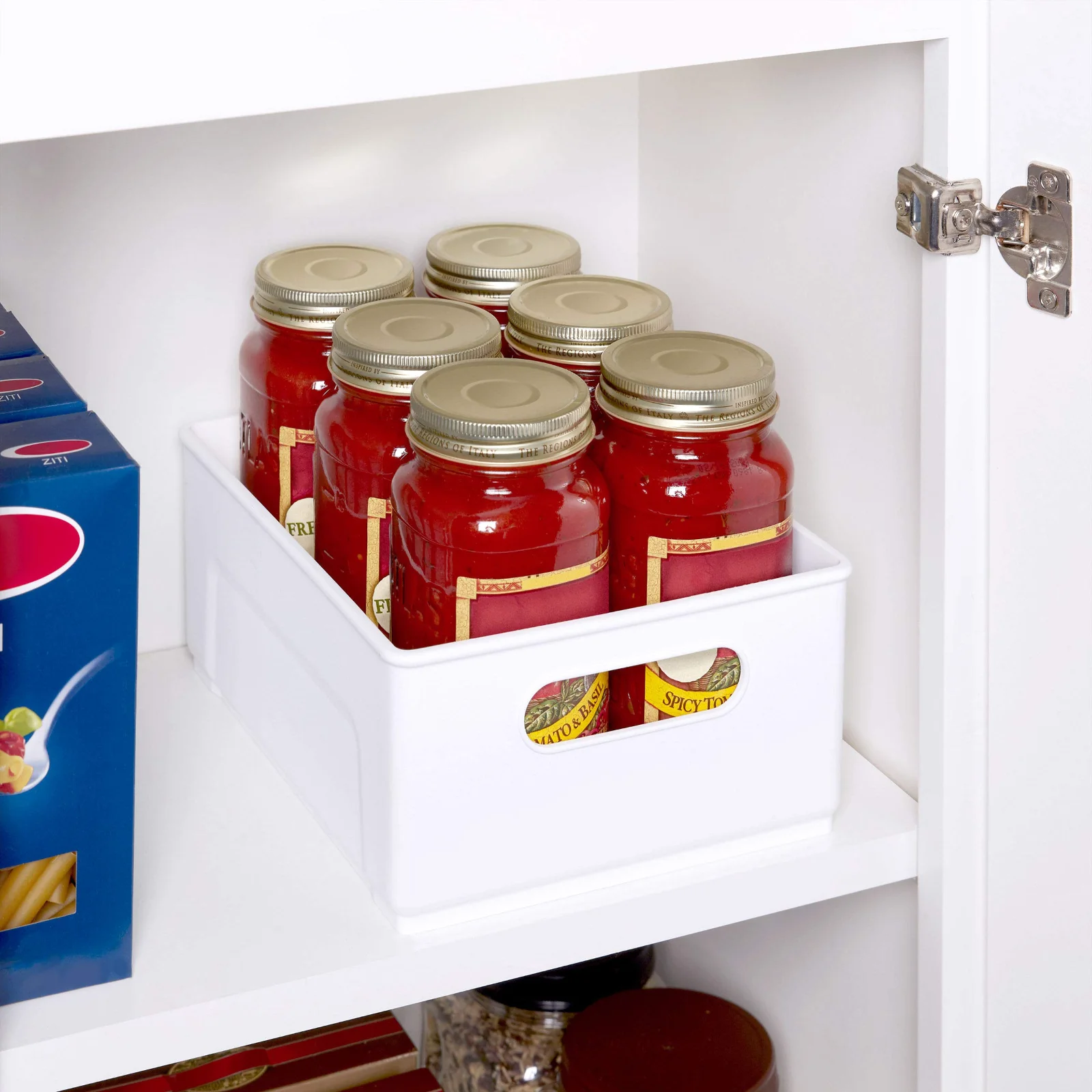
Somewhere along the way the stovetop gave way to the cabinet interior as the place we could be most useful. Storage turns out to run on the same brief as boiling water: a daily act, done half-awake, that goes better when the object was designed by somebody who pictured it. The deep corner where your reach gives out, the shelf that hides its own back row, the drawer that is one country of spoons: each is the kind of small daily friction the kettle was built against.
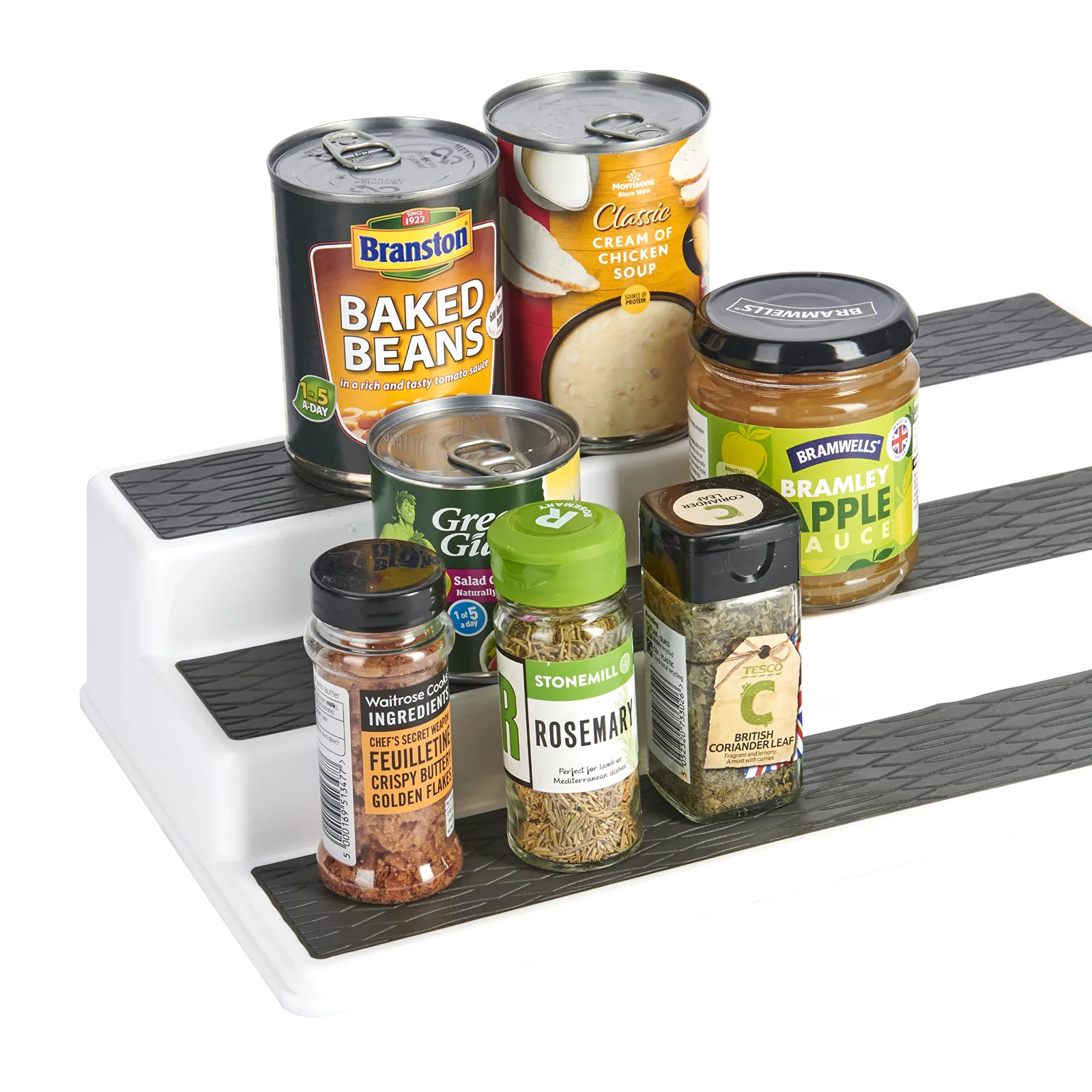
So the turntables carry a non-skid surface on the tray, and a base that stays planted while the tray turns. The riser steps take the same treatment, which is why a jar set down at an angle stays set down. Clear plastic entered the range where seeing the contents is the entire point, bamboo where a counter wants something warmer, and steel and beechwood where a tool has to outlast its owner's enthusiasm for it.
What we make now
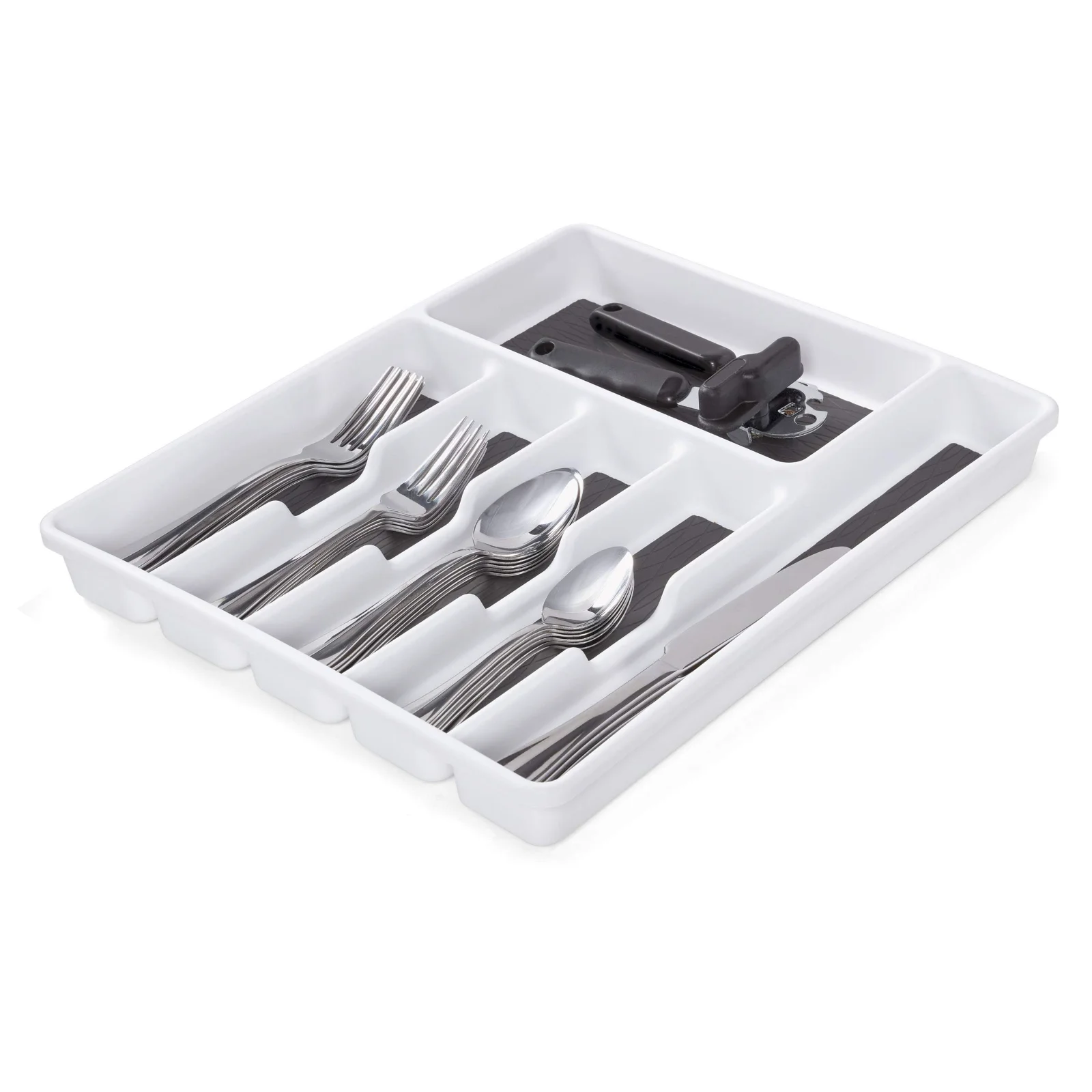
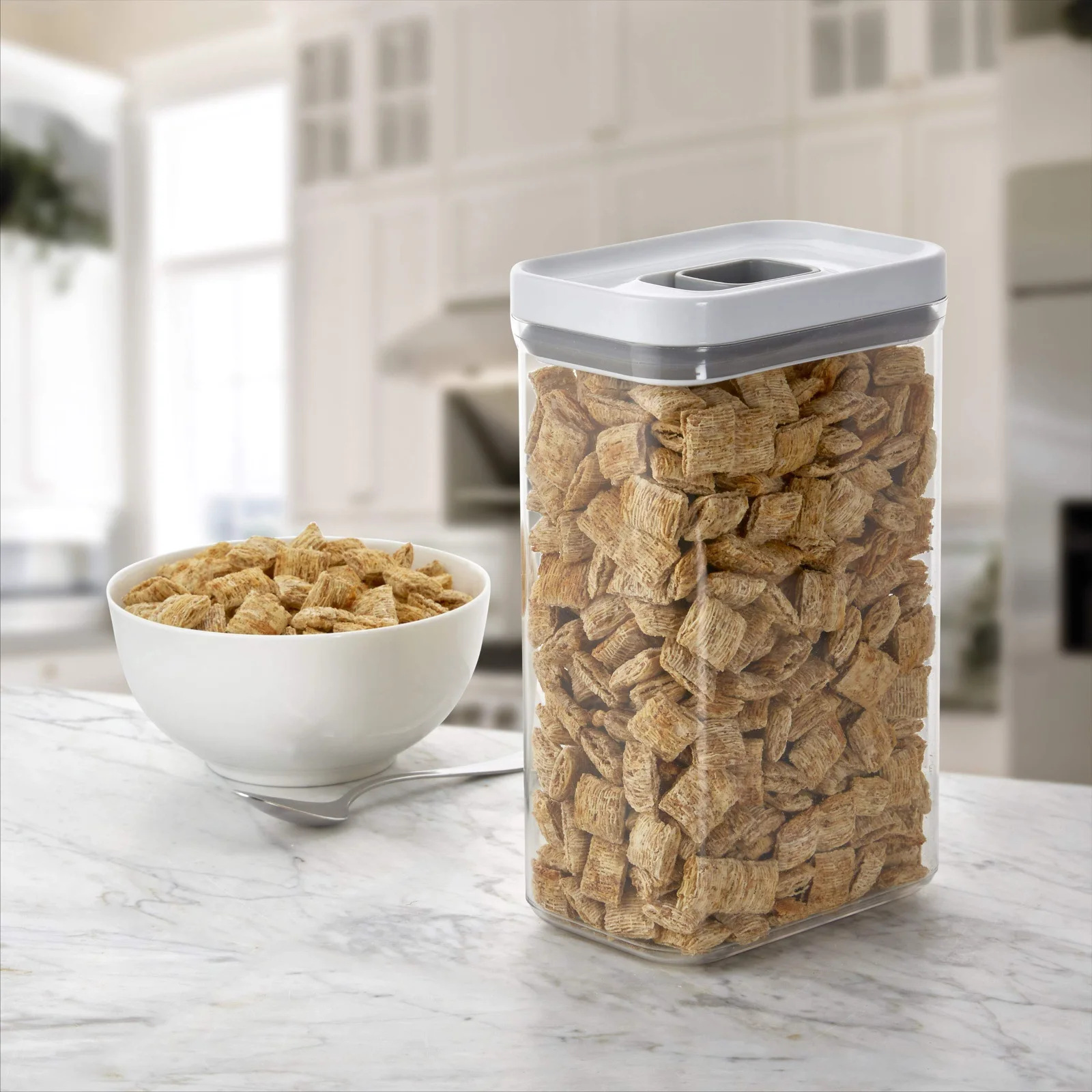
The working core of the range goes inside things: lazy susan turntables from 9 to 18 inches, including the tall under-sink model cut to stand beside the plumbing; spice racks and shelf risers; drawer and wrap organizers; fridge bins and airtight canisters. The rest of it leaves the house with you: the 16-ounce Acadia travel mugs and their desk-mug cousins, water bottles, and the small steel and beechwood tools that live by the sink.
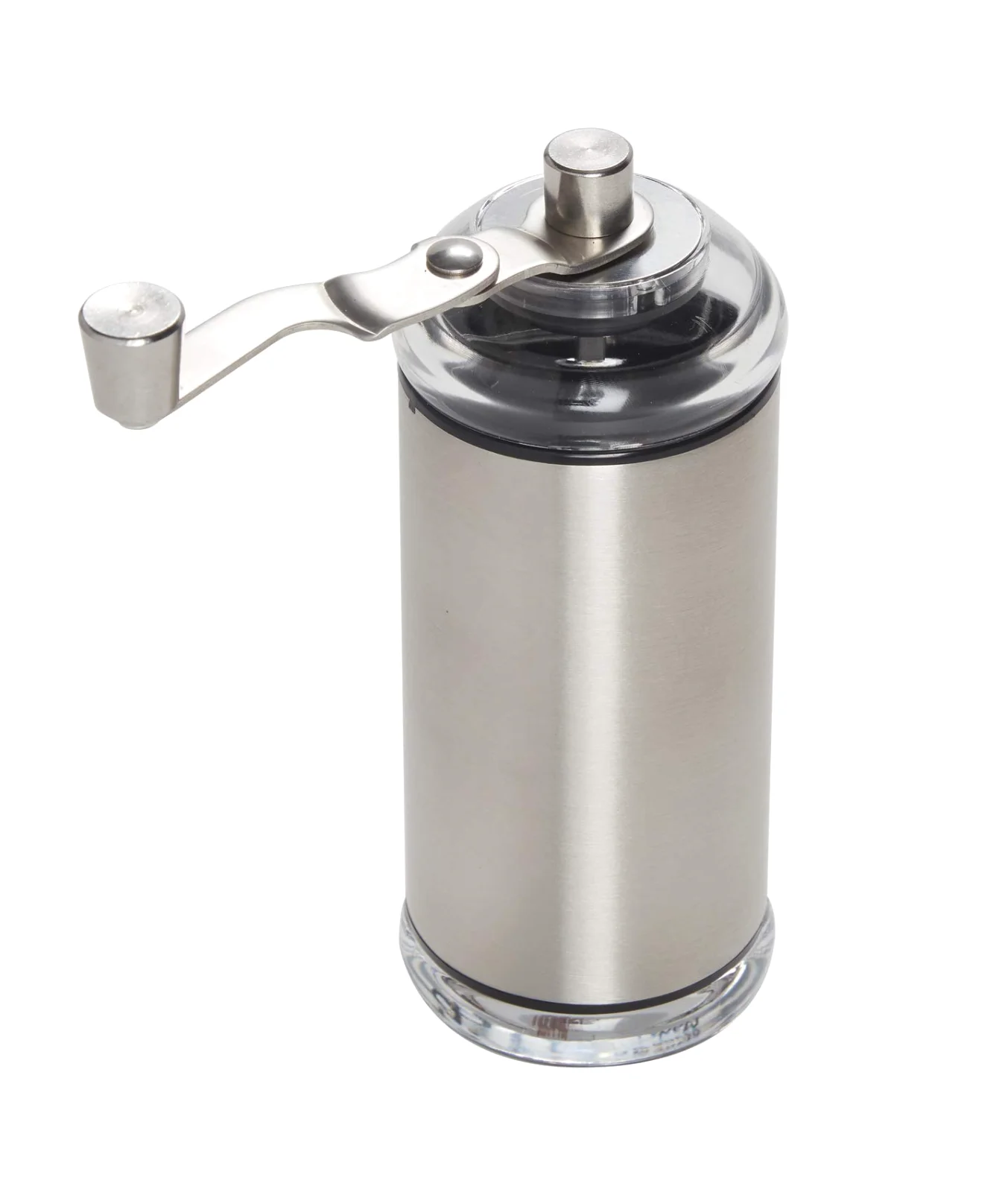
Copco today is part of a larger housewares family, and the founding year is the one figure about ourselves we print. Everything else on these pages is a figure about a product, which is where we think the figures belong.
The whole of the Copco catalog is laid out by shelf from the front page, with the diameter, the capacity and the pack count printed on every card.
What you can rely on
You can rely on a short list here. The diameters, capacities, tier counts and pack counts on our cards come from our product data, not from memory. The photographs are checked against the piece they claim to show before they go up. Prices move, and where a figure here disagrees with the one at the checkout, the checkout wins. That is the full promise, and the products are built to make it enough.
01In the cabinet
Where Copco pieces spend their lives
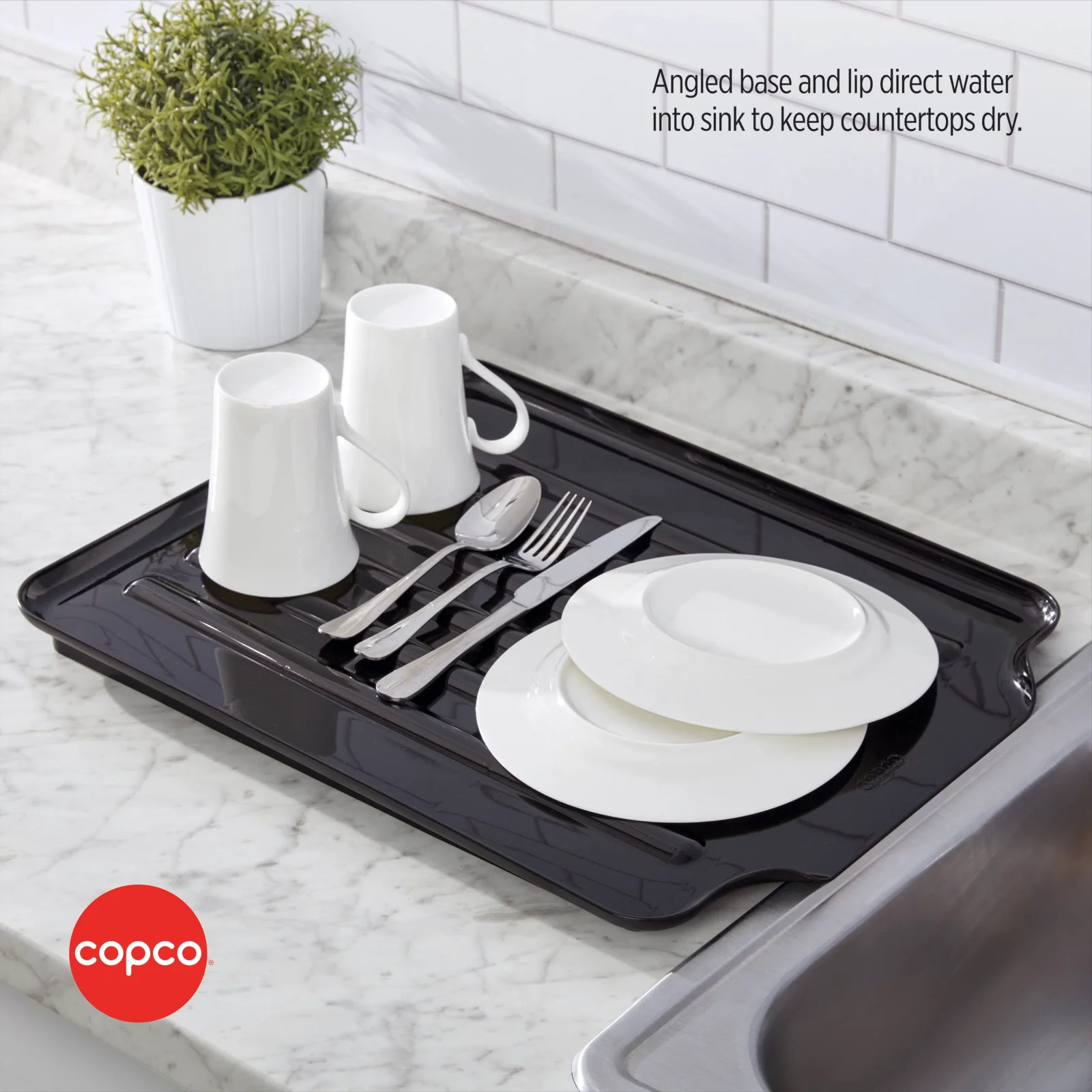
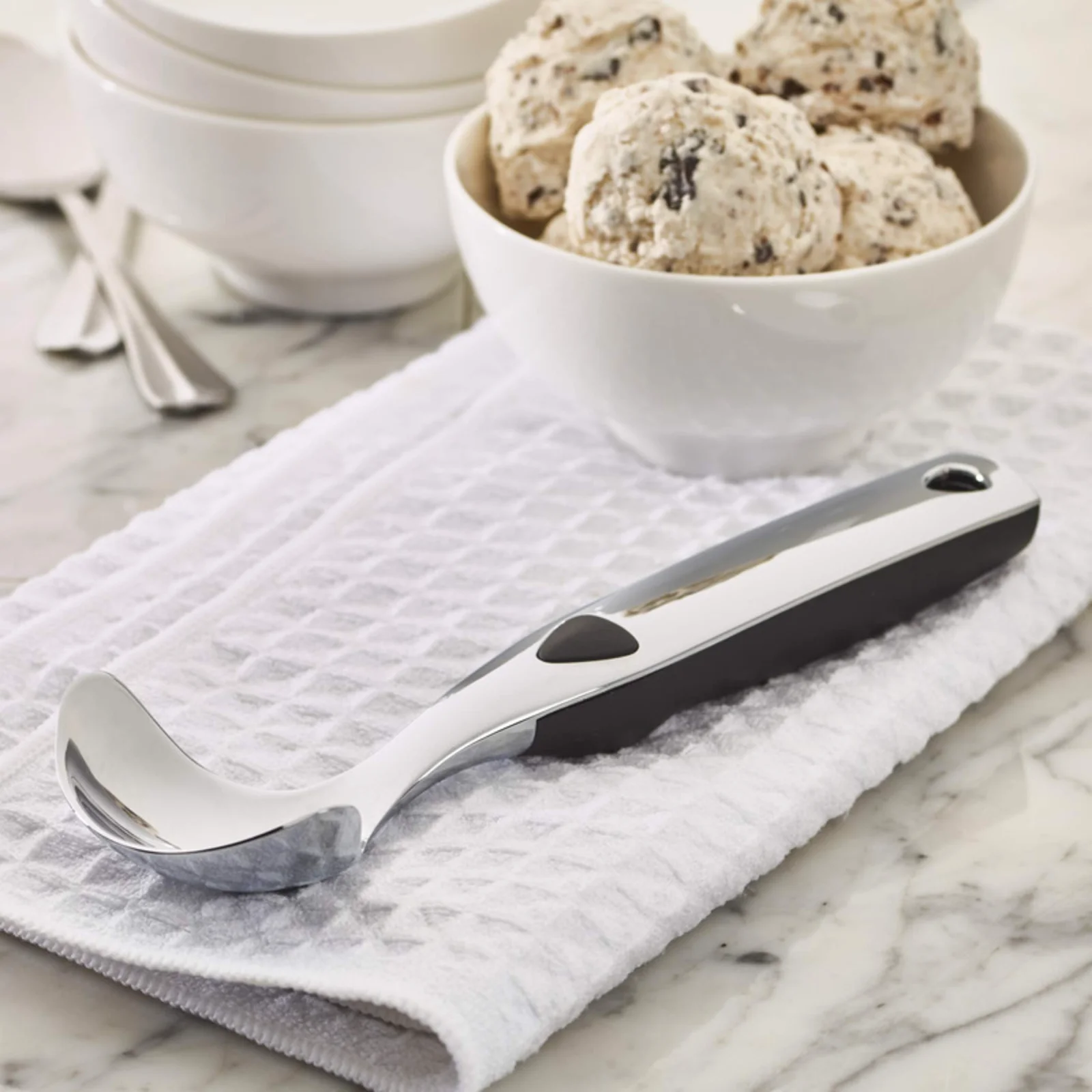
A drawer, a high shelf, a counter on a school morning, the cupboard under the sink. These are Copco pieces as they are sold, photographed in the spots they were sized for.
02Where to start
The seven shelves Copco is divided into
120 pieces, sorted by the spot they end up in rather than by what they are made of.
03The brand, briefly
Copco: questions people ask first
What the name covers, how long it has been on the market, and what happens when a buying button is pressed.
What does Copco make?
The working layer of an organized kitchen: lazy susan turntables and under-sink organizers, spice racks and shelf risers, drawer and wrap organizers, fridge bins and airtight canisters, travel and desk mugs, water bottles, and the small steel and beechwood tools at the sink. Seven shelves, one habit of measuring things.
How long has Copco been around?
Since 1960. The company made its name on enameled cookware and a stove-top kettle, and the founding year is the one figure on this site we state about ourselves rather than about a product.
What are you paying for in a Copco organizer that a cheaper one lacks?
The parts that work when nobody looks: a bearing that still turns under a loaded tray, a non-skid surface on the step of a riser, a base that stays planted. An organizer is bought once and touched daily, and the daily half is where the money went.
Is Copco only a kitchen brand?
The kitchen is the home ground, and the same pieces keep leaving it: turntables end up in bathrooms and craft rooms, bins in linen closets, the desk mugs beside keyboards. We sort the shelves by the spot each piece was designed for; where it retires to is up to you.
Who is a Copco organizer for?
Anyone whose cabinets are deeper than their arms. Modern kitchens hide enormous storage behind small doors, and every deep shelf runs the same racket: the front row hides the back two. The catalog exists to end that arrangement.
One button, the whole Copco range
Every diameter, capacity and pack count in the Copco catalog sits behind this button, with the current price beside it. Measure your shelf, check the figure on the card, and it ships from our retail partner.